
The Unseen Social Engineering of For-Profit Volunteering
Are You Being Socially Shamed into Free Labor?
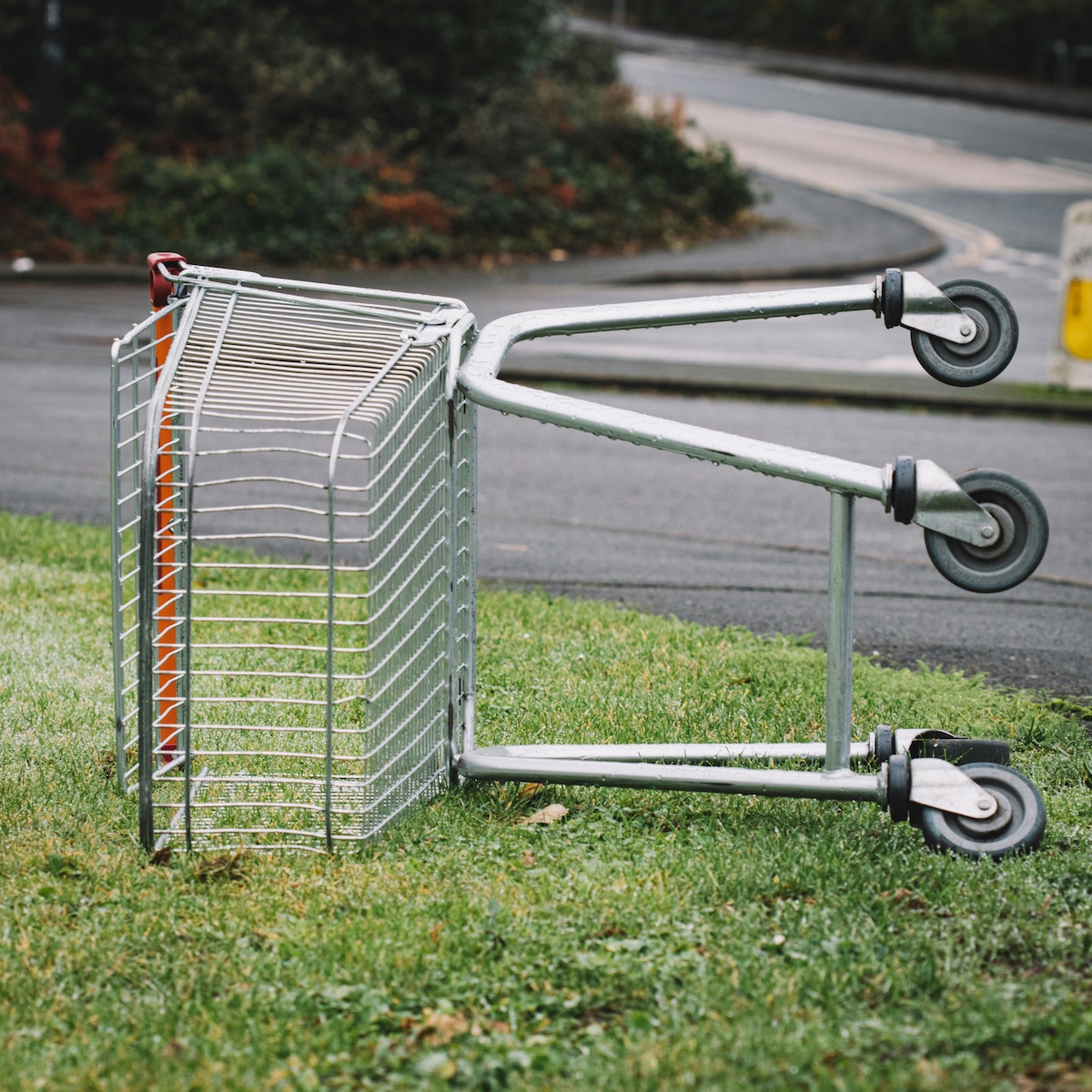
The shopping cart corral is more than a parking lot fixture; it’s a litmus test for social responsibility, a stage for a daily, silent ethical drama. We’ve all felt the subtle pressure. You’ve loaded your groceries into the car. The cart sits beside you. A voice in your head, shaped by a thousand invisible social cues, whispers: “A good person returns the cart.”
This is the pro-return argument in a nutshell: it’s the cornerstone of the social contract, a small act of civic duty that prevents damage to vehicles and creates order for everyone. But there is a growing, contrarian counter-argument, one that reframes this simple act not as virtue, but as something more insidious: you are being socially pressured into performing unpaid labor for a multi-billion dollar corporation. This dilemma is a perfect, microcosmic example of how social pressure can be weaponized to offload business costs and manipulate decision-making, all under the guise of collective good.
History/Deep Dive
The Psychology of the Social Shackle
The shopping cart dilemma is powered by a few key psychological engines that make the pressure to comply so intense.
1. The Power of Normative Social Influence:
This is the desire to be liked and accepted by the group. We conform to social norms to avoid rejection or disapproval. When you see others returning their carts, and you feel the implicit judgment of fellow shoppers if you don’t, you are experiencing normative social influence in its purest form. The fear isn’t of a fine; it’s of being perceived as a “bad citizen.”
2. The Bystander Effect and Its Inversion:
In classic emergency situations, the Bystander Effect means people are less likely to help when others are present, due to a diffusion of responsibility. The shopping cart scenario is an inverted Bystander Effect. Because the “victim” (the parking lot, other cars, the employee) is abstract, the presence of others increases the pressure to act correctly, as you are highly visible and your transgression is clear.
3. The “Foot-in-the-Door” Technique:
This compliance strategy involves getting a person to agree to a small request first, making them more likely to agree to a larger request later. While not a perfect analogy, the principle is similar. Society has gotten us to accept a small, unpaid task (cart return) as a baseline for decency. This normalizes the concept of the customer completing a final, crucial step of the retail service chain, a cost that the business does not have to bear.
The Two Sides of the Aisle: A Battle of Ethical Frameworks
The Case FOR Returning the Cart (The Social Contract):
-
Civic Responsibility: It’s a simple act of consideration for others, preventing cart missiles in a windy lot.
-
Collective Efficiency: It keeps the parking lot orderly and safe for all patrons.
-
The “No Test” Argument: As the popular meme goes, the cart is the ultimate litmus test for a person’s ability to be self-governing and ethical without coercion.
The Case AGAINST Returning the Cart (The Labor Argument):
-
You’re Doing Their Job: The retrieval of carts is a defined, paid role. By doing it yourself, you are performing a task that constitutes someone’s employment.
-
The Erosion of Labor Hours: In a tightly managed corporate environment, if carts are consistently returned by customers, management may deduce they need fewer cart attendants, potentially reducing hours or even eliminating the position. Your “volunteerism” could directly contribute to someone’s underemployment.
-
The Corporate Subsidy: You have already paid for the service of a functional store, which logically includes the return of store equipment. By returning the cart, you are subsidizing the store’s labor costs, increasing their profit margin through your unpaid effort.
-
Social Bullying: The feeling of being a “bad person” for not complying is a form of social pressure that benefits the corporation, not the community. You are being guilted into working for free.
Hypothetical Case Study
“FreshMart” and the “Cart Karma” Campaign
The Situation:
“FreshMart,” a national grocery chain, notices their labor costs for cart retrieval are high. Instead of hiring more staff, they want to leverage customer behavior to reduce this expense.
The MKUltraOne Strategy: Weaponizing Social Pressure
We advise against a direct, punitive approach (like coin-deposit locks). Instead, we launch a “Cart Karma” campaign designed to make customers want to do the work.
-
Framing the “Volunteer” Act: We install signs in the parking lot with friendly, peer-pressure-focused messaging:
-
“Be a Cart Hero! Return your cart and keep our lot safe.”
-
“Good Neighbors Return Their Carts. Are you a good neighbor?”
-
“See a stray cart? Pay it forward with a quick return!”
-
-
Creating a Visual Norm: We paint the cart corrals a bright, cheerful color and keep them impeccably clean. This makes a full corral look like the “correct” and orderly state, while a lone cart looks visibly out of place and antisocial.
-
The Ethical Grey Area: The campaign is a resounding success. Cart retrieval labor costs drop by 40%. FreshMart’s profits see a marginal increase. However, the store manager is quietly instructed to reduce the hours of the cart attendant staff. The social pressure worked perfectly, transferring a business cost to the customer while making them feel virtuous for bearing it.
The Strategic Takeaway: The Power of Implied Social Contracts
The shopping cart dilemma is not about laziness versus responsibility. It’s a powerful lesson in how businesses can harness deep-seated social instincts—our need for belonging, our fear of judgment, our desire to be “good”—to optimize their operations and offload costs.
For marketers, it’s a case study in soft power. The most effective way to influence behavior isn’t always to charge a fee or create a rule; it’s to align your business objective with a perceived social virtue. The question for consumers is to recognize when they are participating in a mutually beneficial social contract, and when they are being subtly recruited as an unpaid employee in a for-profit enterprise.
Conclusion
Guilt for Profit.
The next time you stand in a parking lot, hand on the cart handle, you are not just making a simple choice. You are at the nexus of a complex social and economic puzzle. Are you upholding the noble social contract, or are you capitulating to a corporate strategy that uses shame as a management tool?
There is no easy answer, and that’s the point. The most powerful influences are those that make you believe the choice was yours all along. The true test may not be whether you return the cart, but whether you stop to question why you feel so compelled to do so.
Think Deeper. Your Brain Will Thank You.
