
How to Create a Cultural Earthquake in Any Industry
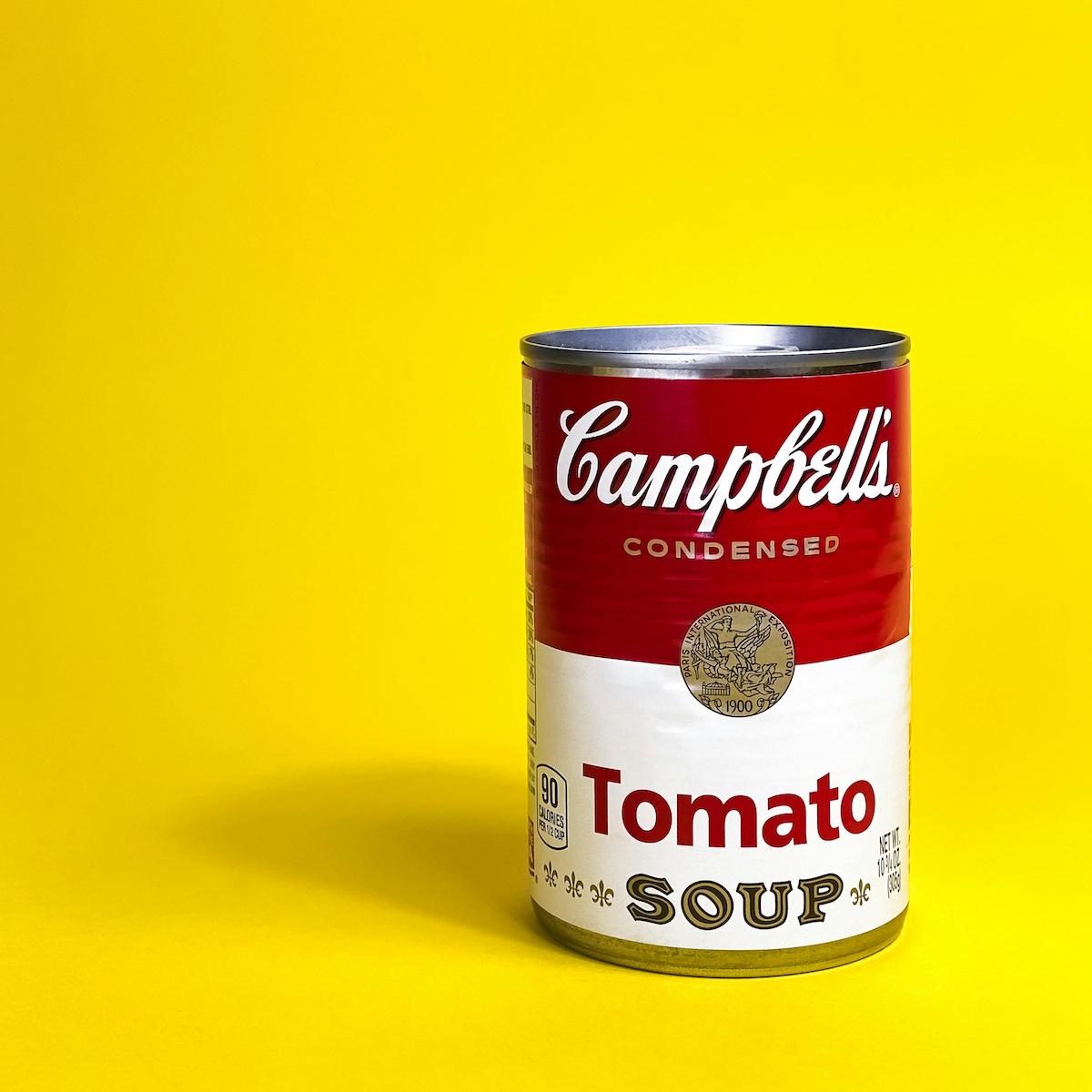
Andy Warhol, the white-haired pop artist, was far more than a painter of soup cans and Marilyn Monroe. He was a master strategist of social influence. His studio, The Factory, wasn’t just a place to make art; it was a stage for a perpetual, exclusive party that became the white-hot center of 1960s New York counterculture. When Warhol held an impromptu show, the result wasn’t just a good turnout—it was a civic event. A ten-block radius would swell with people, forcing police to shut down streets and creating a financial burden for the city due to the sheer scale of the crowd he could summon.
In the rarefied, often elitist world of fine art, Warhol cracked the code. He understood that in a crowded market, the product isn’t the only thing for sale; the access and the aura around it are often more valuable. For any business struggling to break through the noise—whether in tech, consulting, or luxury goods—the Warhol playbook provides a timeless blueprint for building not just a customer base, but a cult following.
History/Deep Dive
The Psychology of the Factory
Warhol’s success wasn’t accidental; it was a deliberate application of powerful psychological principles.
1. The Alchemy of Social Proof and the In-Crowd:
Warhol meticulously curated The Factory’s guest list, creating a potent mix of drag queens, socialites, rock stars, and intellectuals. This wasn’t random. By assembling a “in-crowd” of cultural influencers, he created an overwhelming social proof. To be seen at The Factory was to be validated as culturally relevant. This made an invitation more valuable than a ticket—it was a social currency. People didn’t just come for the art; they came to be part of the scene, to see and be seen, and to bask in the reflected glow of this exclusive tribe.
2. Manufactured Scarcity and the Velvet Rope:
The Factory was the original “velvet rope” policy. By being notoriously selective, Warhol manufactured an intense scarcity around his world. You couldn’t just buy your way in; you had to be invited or be fascinating enough to catch the door’s eye. This scarcity amplified desire to a fever pitch. The impromptu nature of the shows added a layer of FOMO (Fear Of Missing Out) that was paralyzing for his target audience. If you weren’t there, you were nowhere.
3. The Blurring of Art and Life (The Product is the Party):
Warhol’s most brilliant maneuver was blurring the line between his art and his social life. The Factory wasn’t a backdrop for his work; it was the work. The conversations, the characters, the music, and the chaos were all part of the “Warhol” brand. He turned his business into a live, ongoing performance. This created a self-sustaining content machine—the happenings at The Factory generated buzz that fed the mystique, which in turn sold his paintings and films. He wasn’t selling a product; he was selling membership to a myth.
Hypothetical Case Study
“Apex Forge” – The B2B Software Launch
The Situation:
“Apex Forge” has developed a revolutionary new project management platform for creative agencies. The market is saturated with competitors like Asana and Monday.com. A traditional launch—a press release, a blog post, and some online ads—will get lost in the noise.
The MKUltraOne Strategy: The Warhol Launch
We advise Apex Forge to forget a traditional launch and instead, build their own “Factory.”
-
Build the “In-Crowd” (The Beta Tribe): Instead of a public beta, we launch an “Founding Agency Circle.” We hand-pick 50 of the most respected and innovative creative agency founders in the country to be founding members. They get free, early access in exchange for their feedback and, crucially, their endorsement. Their social proof becomes our most powerful marketing asset.
-
Create the Spectacle (The Immersive Launch): We don’t host a webinar. We host an exclusive, invite-only “Apex Forge Summit” in a gritty, chic, Factory-like loft in a major city. It’s not a tech demo; it’s an experience. We have famous designers speaking, live music, immersive art installations that visualize data flow, and top-tier catering. The goal is to make it the must-attend event of the season for the in-crowd. Attendance is the new status symbol.
-
Manufacture Scarcity and FOMO: We strictly control the narrative and access. We leak behind-the-scenes photos and cryptic teasers of the platform on the personal social media accounts of our Founding Agency Circle. We create a public waiting list for the software that numbers in the tens of thousands, but we only allow a small number of new agencies to join each month. The message is clear: “This isn’t for everyone. It’s for the best.”
The result? Apex Forge isn’t just another project management tool. It’s the platform used by the industry’s elite. The buzz, the desire, and the perceived value skyrocket, allowing them to command a premium price and build a loyal, evangelical user base from day one.
The Modern Factory: Building Your Own Scarcity
You don’t need a loft in New York to apply these principles.
-
Curate Your Network: Be intentional about who you collaborate with and feature. Align your brand with other innovators and taste-makers.
-
Create Exclusive Content: Offer a premium newsletter, a private podcast, or an invite-only community that offers real value and insider access.
-
Host Experiences, Not Just Meetings: Turn a product launch into an unforgettable event that people talk about for weeks.
Conclusion
Build a lifestyle
Andy Warhol taught us that the most powerful marketing doesn’t advertise a product; it architects a culture. It builds a world so compelling that people will fight to get past the velvet rope, and in doing so, become your most effective salespeople.
The question for your brand is not just what you are selling, but what world you are building around it. Are you just filling seats? Or are you creating a scene so electric that the police might, metaphorically speaking, have to shut down the streets? Stop asking for people’s attention. Start building a Factory they’d kill to get into.
Think Deeper. Your Brain Will Thank You.
