
How Absence and Scandal Create Unforgettable Brands
The Power of the Empty Frame: Turning Absence into Asset and Scandal into Strategy
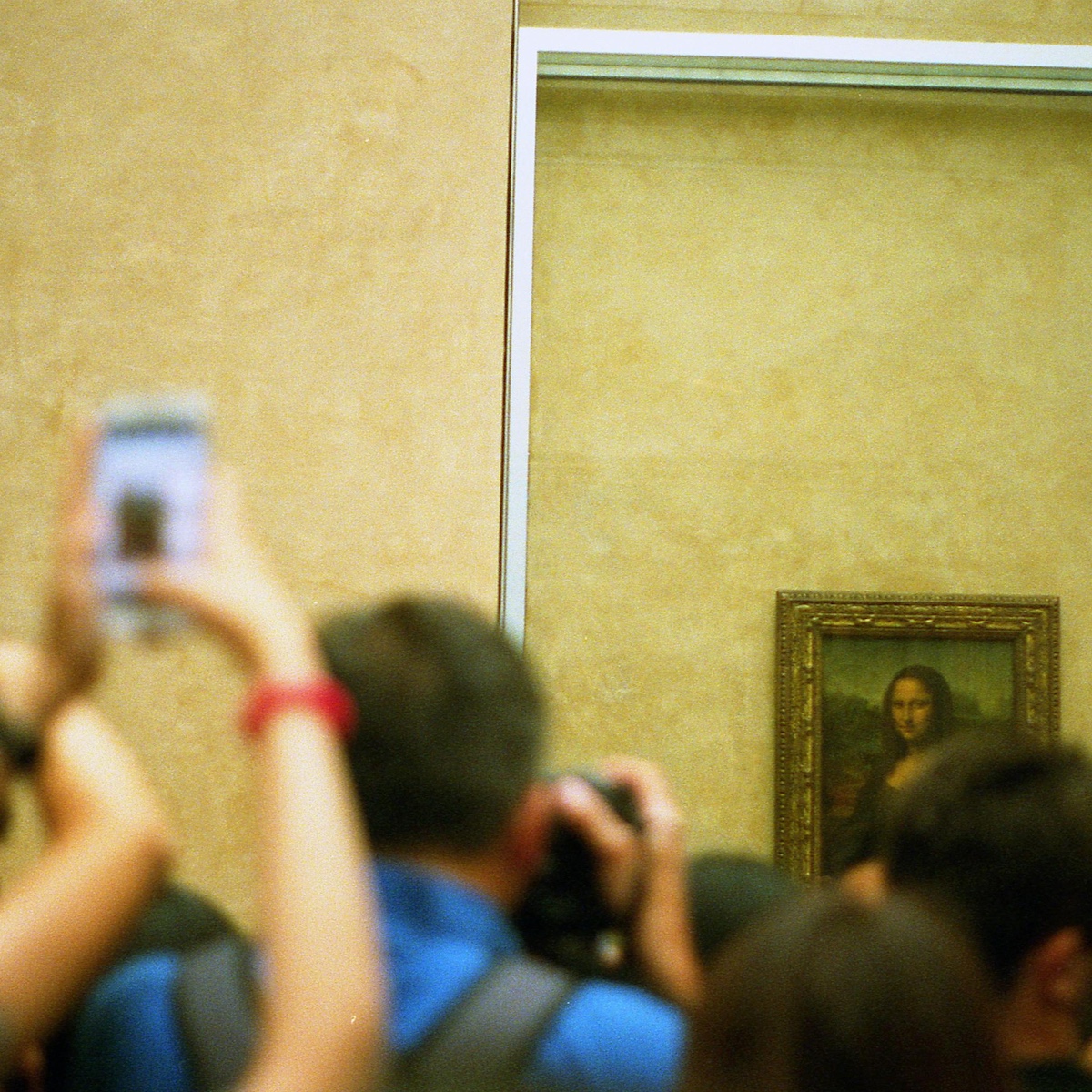
In 1911, when the Mona Lisa was stolen from the Louvre, something unexpected happened. Crowds flocked to the museum. But they didn’t come to mourn the loss; they came to stare, transfixed, at the empty space where the painting once hung. The void was more compelling than the masterpiece itself. The attendance numbers during the two years the painting was missing doubled.
This phenomenon isn’t an anomaly. It’s a powerful psychological principle. The street artist Banksy understands it intuitively. When he anonymously “vandalizes” a wall with his art, he doesn’t just create an image; he creates a destination. The building’s value soars, and tourists with cameras and money make a pilgrimage to a spot they would have otherwise ignored. In both cases, the object’s value is dramatically amplified not by its presence, but by the story of its absence or its illicit creation. This reveals a counter-intuitive marketing truth: sometimes, the most powerful thing you can do is remove your product from the spotlight and let the narrative you create around it take center stage.
History/Deep Dive
Why is an empty frame or an illicit painting so magnetic? The answer lies in a potent cocktail of cognitive biases.
1. The Scarcity Principle & Reactance:
Robert Cialdini’s principle of Scarcity states that people assign more value to opportunities when they are less available. The theft of the Mona Lisa made it the ultimate scarce item. It wasn’t just rare; it was gone. This triggers Reactance—a psychological urge to defy the limitations placed on our freedom. We want to see what we cannot have, so we become obsessed with the space it left behind.
2. The Power of Narrative Transportation:
A story is more powerful than a static object. The Mona Lisa was no longer just a painting; it was now the subject of an international heist, a mystery, a drama involving suspects like Pablo Picasso. The empty frame was the stage for this story. People weren’t looking at a blank wall; they were immersing themselves in a real-life thriller. The narrative became the product.
3. The “Sacred” Artifact and the Aura of Illicitness:
Banksy’s work operates on a similar principle. By being created illegally and anonymously, his art carries an aura of rebellion and authenticity. It feels more “real” and potent than art in a sanctioned gallery. This “sacred” or “taboo” status, as theorized by sociologists like Emile Durkheim, makes the object feel charged with a unique energy. The building isn’t just a building; it’s a relic of a cultural event.
4. The Zeigarnik Effect:
This psychological principle states that people remember uncompleted or interrupted tasks better than completed ones. The empty frame is the ultimate interruption. The story is incomplete. Our brains itch for closure, keeping the “Mona Lisa” top-of-mind long after it’s gone.
Hypothetical Case Study
“Aethel” – The Luxury Watch Brand
The Situation:
“Aethel” is a new, ultra-high-end watchmaker. Their craftsmanship is impeccable, but they are entering a market dominated by century-old legacy brands like Rolex and Patek Philippe. A traditional campaign highlighting their quality would be expensive and likely ignored. They need to create a myth, not just a message.
The MKUltraOne Strategy: The “Vanishing Act”
Instead of shouting about their presence, we engineer a story of absence.
-
Create the Artifact: Aethel produces an exceptionally limited run of 10 watches, named the “Aethel No. 1 Series.” Each is a unique work of art.
-
Stage the “Event”: We don’t host a launch party. Instead, we place one of the watches in a secure, transparent vault in the lobby of a prestigious hotel for a one-month exhibition, titled “The Unobtainable.”
-
Engineer the Narrative: Halfway through the exhibition, we stage a “mystery.” The watch is quietly removed. The vault is left empty with a simple, enigmatic placard: “The Aethel No. 1 has departed. Its story begins.”
-
We do not explain. We let the speculation run wild. Was it sold? Was it stolen? Who has it?
-
We seed the story in luxury blogs and forums. The narrative is no longer about the watch’s specs, but about its elusive nature. Who owns it? Why did it vanish?
-
-
Amplify the Scarcity: The remaining 9 watches are not publicly sold. They are allocated by a secretive, invitation-only committee. To even be considered, one must be nominated by an existing owner. The brand’s website doesn’t have a “shop” page; it has a “registry” of the few watches in existence and the stories of their guardians.
The result? Aethel isn’t selling a timepiece; it’s selling a legend. The value of the watches skyrockets not because of their mechanics, but because of their mythos. The “empty vault” becomes their most powerful marketing asset, a story told at dinner parties and in boardrooms, creating an aura of desire that no glossy ad campaign could ever match.
The Ethical Application: Creating Your Own “Empty Frame”
You don’t need to stage a heist. The principle is about creating narrative scarcity.
-
The “Vault” Model: Release a seminal piece of content (a white paper, a keynote speech) and then remove it from your website after a limited time. Make it available only by request, creating an aura of exclusivity around it.
-
The “Unfinished” Launch: Launch a product with a mysterious, undisclosed feature. Let your community speculate and build the narrative for you before you reveal it.
-
The “Creator’s Story”: Like Banksy, make your process or your founder’s story as compelling as your product. The “how” and “why” can become more interesting than the “what.”
Conclusion
The Emperors Clothes paradox
The crowds staring at the empty space in the Louvre weren’t crazy; they were human. They were drawn to the power of a story, the tension of absence, and the allure of the sacred. Banksy mastered this by turning vandalism into a cultural event that creates tangible economic value.
For your brand, the lesson is clear: stop trying to be the painting everyone can see. Become the painting that was stolen. Build a narrative so compelling that your absence is felt more powerfully than your competitors’ presence. In the economy of attention, the most valuable currency isn’t what you show—it’s what you choose to conceal.
In the relentless pursuit of consumer psychology, the ultimate goal is not just to see, but to see more clearly than everyone else.
Think Deeper. Your Brain Will Thank You.
