
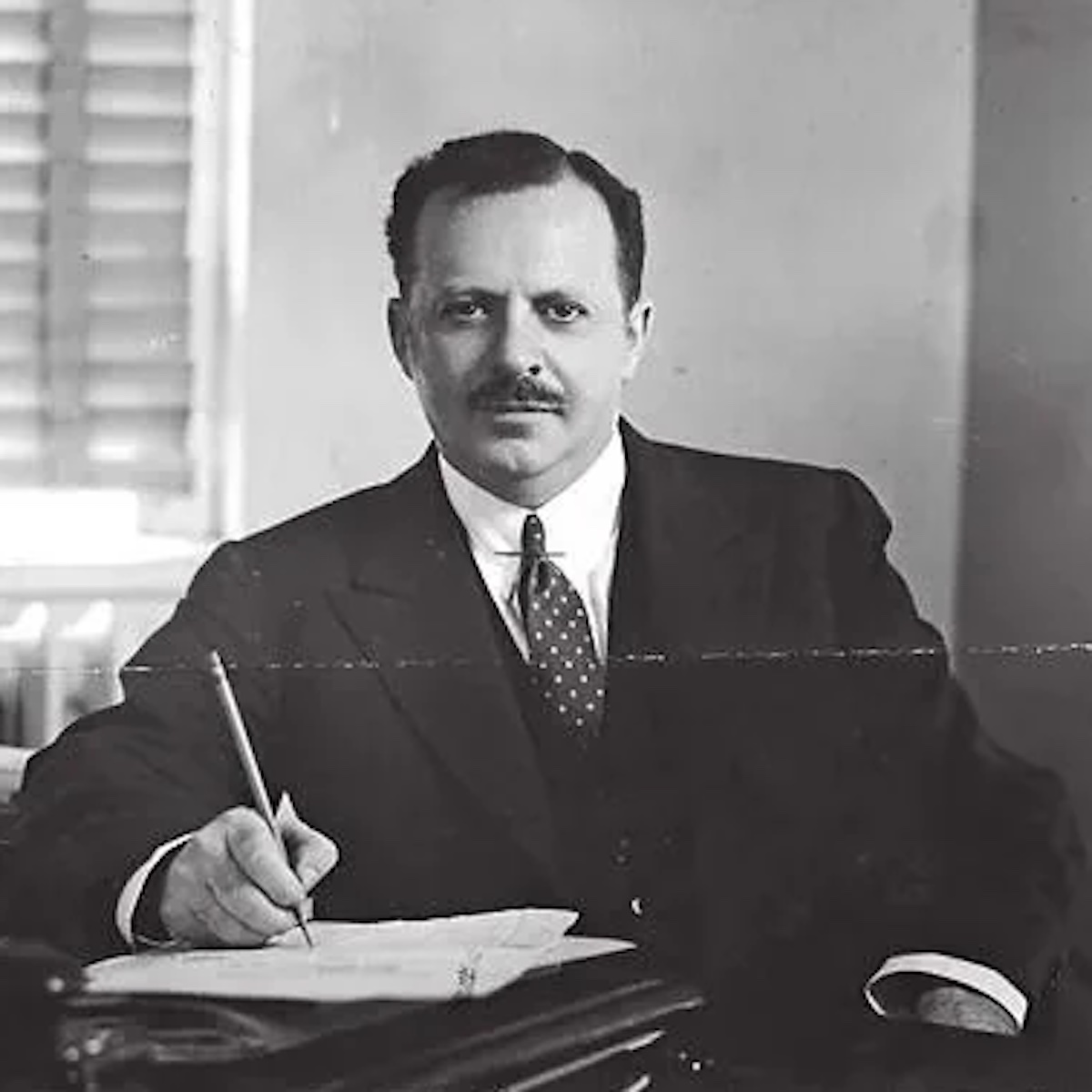
Edward Bernays, often called the “father of public relations,” used several psychological tactics to influence public opinion, many of which were rooted in the theories of his famous uncle, Sigmund Freud. Bernays adapted Freud’s ideas on the subconscious mind, human desires, and the psychology of crowds to create persuasive campaigns. Here are a few key psychological tactics he used and their origins:
1. Associating Products with Social Movements and Symbols of Freedom
- Tactic: In the “Torches of Freedom” campaign, Bernays aimed to make smoking a symbol of women’s independence and liberation. By associating cigarettes with the women’s suffrage movement and freedom, he reframed smoking as an act of rebellion against societal norms that restricted women.
- Origin: This tactic is rooted in Freud’s theory of symbolism and the power of subconscious associations. Freud believed that people’s actions are often driven by deep, unconscious desires, and Bernays understood that connecting products with symbols like “freedom” could appeal to these hidden desires.
2. Creating Social Proof through Influencers
- Tactic: Bernays would use high-society figures or celebrities to endorse products, believing that ordinary people would be influenced by these “authorities” or trendsetters. For example, he hired models to walk in prominent parades and hold cigarettes, which made smoking seem glamorous and sophisticated.
- Origin: This tactic is influenced by Freud’s idea of identification and the concept of social proof developed in psychology, which suggests that people look to others, especially those they respect, to determine appropriate behavior. By using “influencers” of his time, Bernays played on the idea that people would adopt behaviors endorsed by those they admired.
3. Appealing to Emotions Over Logic
- Tactic: Rather than focusing on the factual benefits of a product, Bernays appealed to emotions and desires. In the case of cigarettes, he didn’t promote health or taste but rather the emotional appeal of rebellion, sophistication, and freedom. This emotional appeal made smoking desirable on a deeper, less rational level.
- Origin: Freud’s theory of the pleasure principle argues that people are primarily driven by unconscious desires for pleasure and avoidance of pain. Bernays leveraged this by creating emotionally charged messages that bypassed logical reasoning and appealed directly to the subconscious.
4. Normalizing Behaviors Through Repetition and Publicity
- Tactic: Bernays would use mass media to repeatedly expose the public to new ideas, making previously unacceptable behaviors appear normal over time. For example, the continuous depiction of women smoking in public spaces through staged events and media coverage helped normalize the act of women smoking in public.
- Origin: Freud believed that the human mind is malleable and can be influenced by repeated stimuli, a principle that aligns with what later became known as cognitive dissonance theory and normalization. Bernays used the media to create a shift in social norms by constantly associating smoking with empowerment.
5. Using Fear of Missing Out (FOMO)
- Tactic: Bernays tapped into the human desire to belong to a group and not be left out, a powerful motivator. For women, smoking became a way to align themselves with modern, progressive ideals and to feel part of a social movement.
- Origin: This tactic draws on Freud’s ideas around social identity and the human need for acceptance within society. It was later elaborated in theories of social identity and conformity, which suggest people have a strong drive to fit in with groups they aspire to belong to.
Summary of Influences
Bernays was heavily influenced by Freud’s theories of the unconscious mind, particularly around themes like symbolism, desire, and the irrational forces that drive behavior. By applying these psychological insights to marketing, Bernays pioneered strategies that remain core to public relations and advertising today.