The Good Guy Pass

Why do people morally evaluate the same economic behavior differently depending on the story surrounding it? I have a confession to make. I am a marketer. I've spent a good chunk of my adult life helping people decide what they should pay attention to, what they should remember, what they should want, and occasionally, what they absolutely cannot live without ...


The Information Problem

A false belief can be socially indistinguishable from a true belief when the evidence available to the individual is insufficient to discriminate between them. There is a strange little problem hiding inside almost every argument about what is true: how do you know? Not "How strongly do you believe it?" Not "How many people agree with you?" And definitely not ...

Solomon Asch

Conformity, and the Psychology Behind “Everyone Is Doing It” Solomon Asch occupies a fascinating place in the history of social psychology because he took something that most people experience every day, the pressure to agree with a group, and turned it into something that could be measured in a laboratory. Born in Warsaw in 1907 and raised in the United ...

S01E00a: The Manifesto

"You know those moments when you buy something and think... why the $(%&^& did I do that?" --the Monkey TikTok Version YouTube Version FaceBook Version Instagram Version

Persistence Hunting

The Ancient Strategy for Modern Market Domination Before spears and bows, early humans faced a seemingly impossible task: hunting faster, stronger, and more agile prey. Their solution was not superior force, but superior stamina and strategy. They became persistence hunters. A small band would identify a target, like a kudu or antelope, and begin a deliberate, calculated pursuit. They would not ...

The Upside-Down Clock

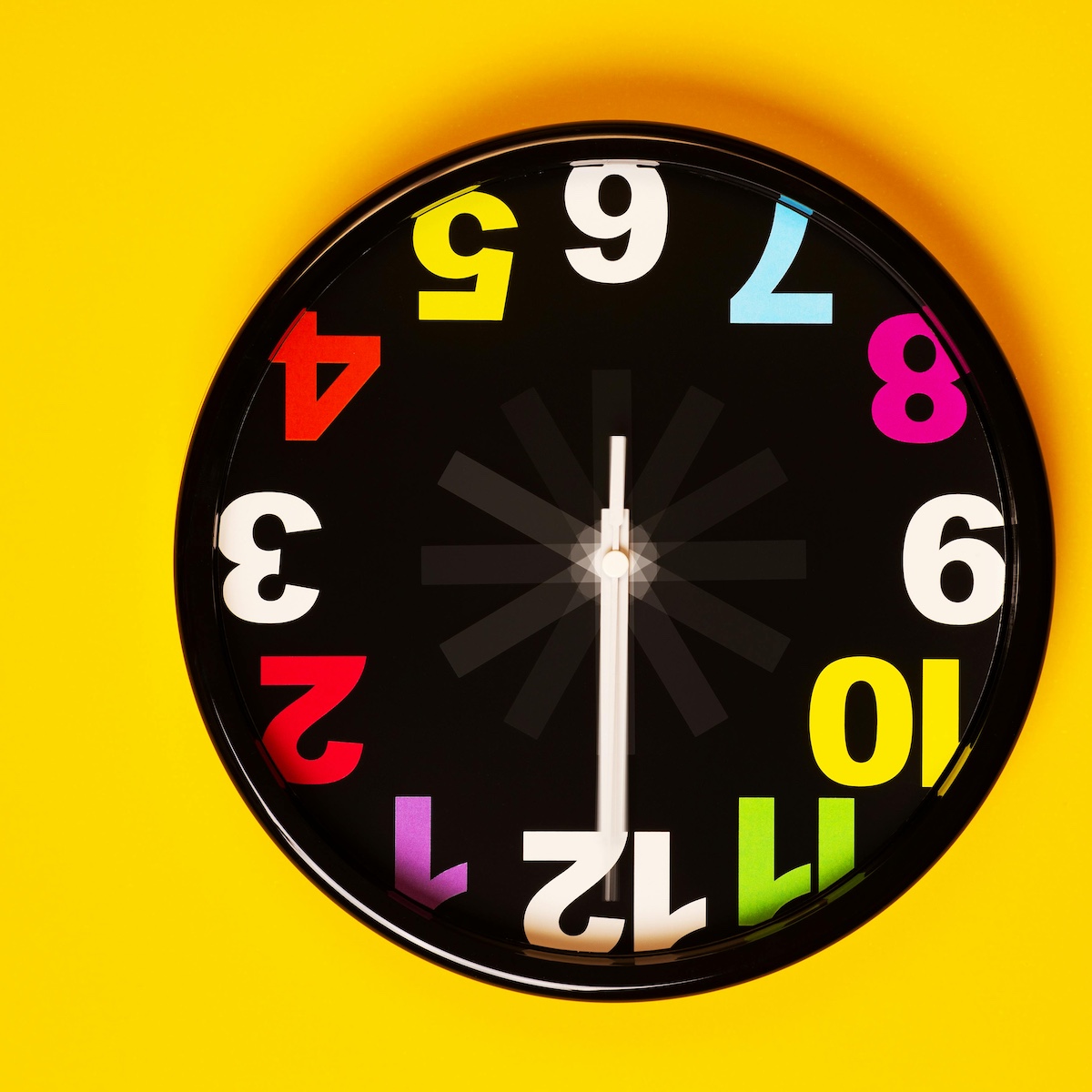
What a Social Experiment Reveals About Fixing Your Customer Experience A fascinating social experiment was conducted by Harold Garfinkel, sociologist at UCLA.. In Part One, researchers flipped wall clocks upside down. The average time for a random person to fix one was four minutes (mostly due to the time it took to find a ladder). In Part Two, they dragged trash ...

The Architecture of Attention

The War for Your Focus and How to Win It Back Take a moment and notice your environment. The ping from your phone. The red notification bubble on your email. The autoplay countdown on your streaming service. The strategically placed candy at the grocery store checkout. This isn't random chaos. It is a meticulously crafted, multi-trillion dollar system known as Distraction ...

The Subconscious Shortcut

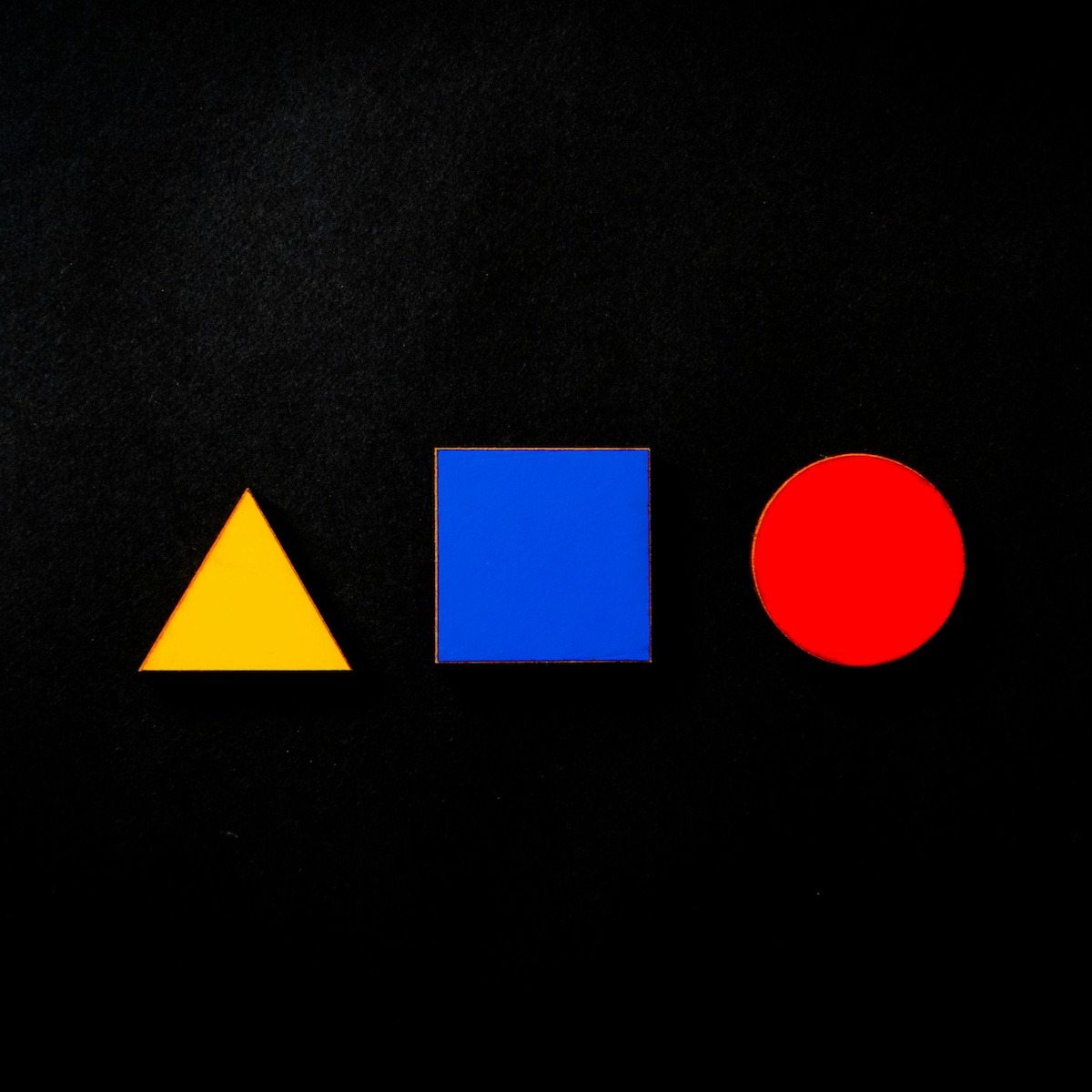
How Symbolism Secretly Shapes Your Brand's Story Before a single word is read, a feeling is formed. A brand that uses a solid, square logo feels dependable and strong. A brand with a flowing, circular emblem feels communal and inclusive. A logo that points upward suggests aspiration and growth. This isn't a coincidence; it's the ancient, hardwired language of symbolism at work. ...

The Psilocybin Protocol

How to "Reset" Your Customer's Mind for Marketing Stagnant Markets. In groundbreaking research from Imperial College London, scientists gave psilocybin—the compound in "magic mushrooms"—to patients with treatment-resistant depression. The results were startling. Brain scans showed a literal "reset" of neural activity. Patients described the feeling using computer analogies: their brains had been "defraragged" or "rebooted." This wasn't just a mood ...

The Redenomination of You

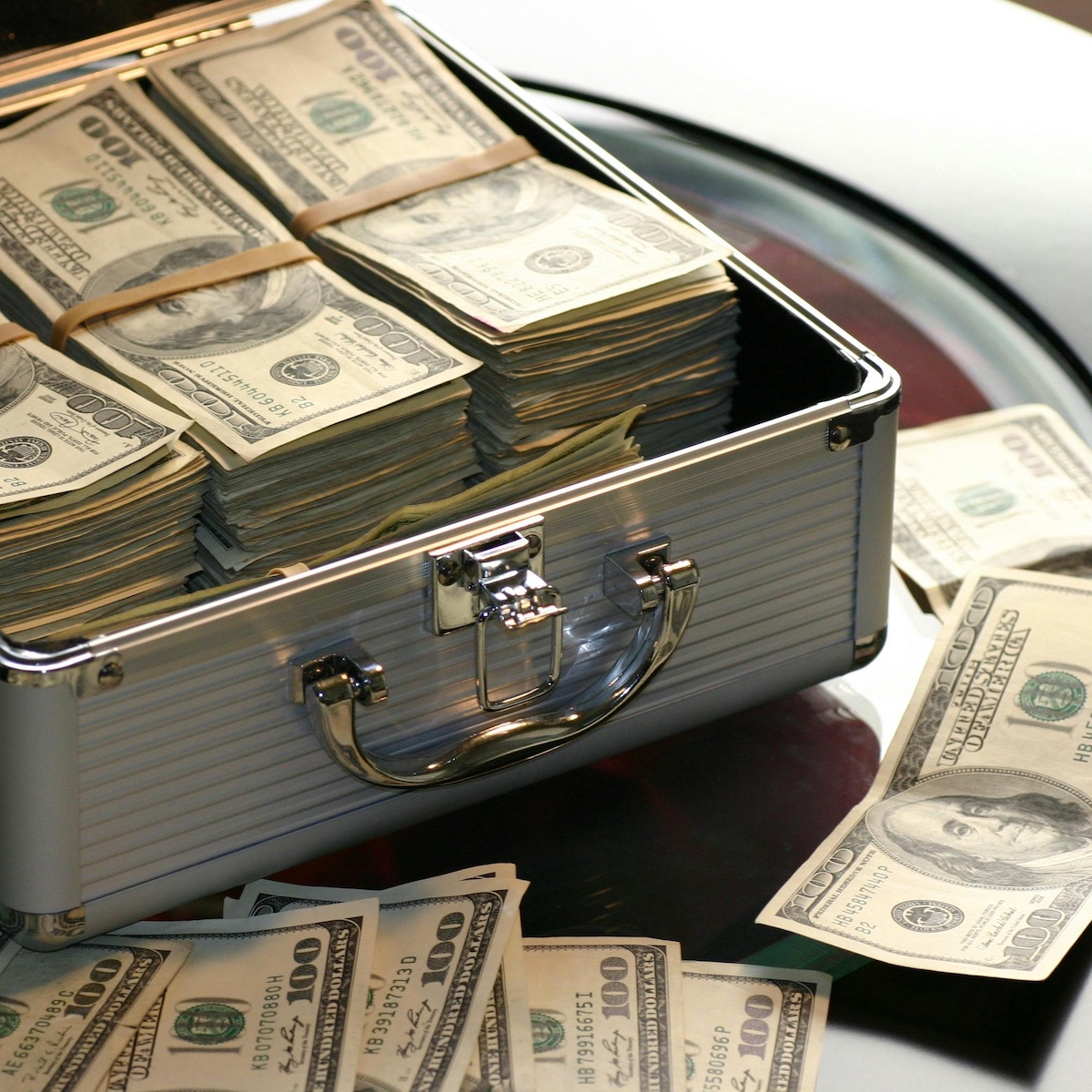
How Social Media Revalues Human Attention, you are the product. In 2024, Indonesia will undergo a dramatic economic maneuver: currency redenomination. They will remove zeros from the Rupiah, so 10,000 becomes 10. The actual value remains the same, but the psychological perception of that value will be profoundly altered. A 10,000 Rupiah note feels significant. A 10-unit note? It feels like small change, potentially leading ...