
Consumer Psychology Myths

Why do you buy stuff you don't want, need, or can afford? It starts, like most stories of modern persuasion, with a scroll. You’re half-listening to a podcast when an ad glides through your feed: a pair of minimalist, noise-canceling headphones — “studio quality,” “engineered for focus,” “today only.” You weren’t shopping for headphones. You weren’t even thinking about headphones. ...

The Five Guys Formula

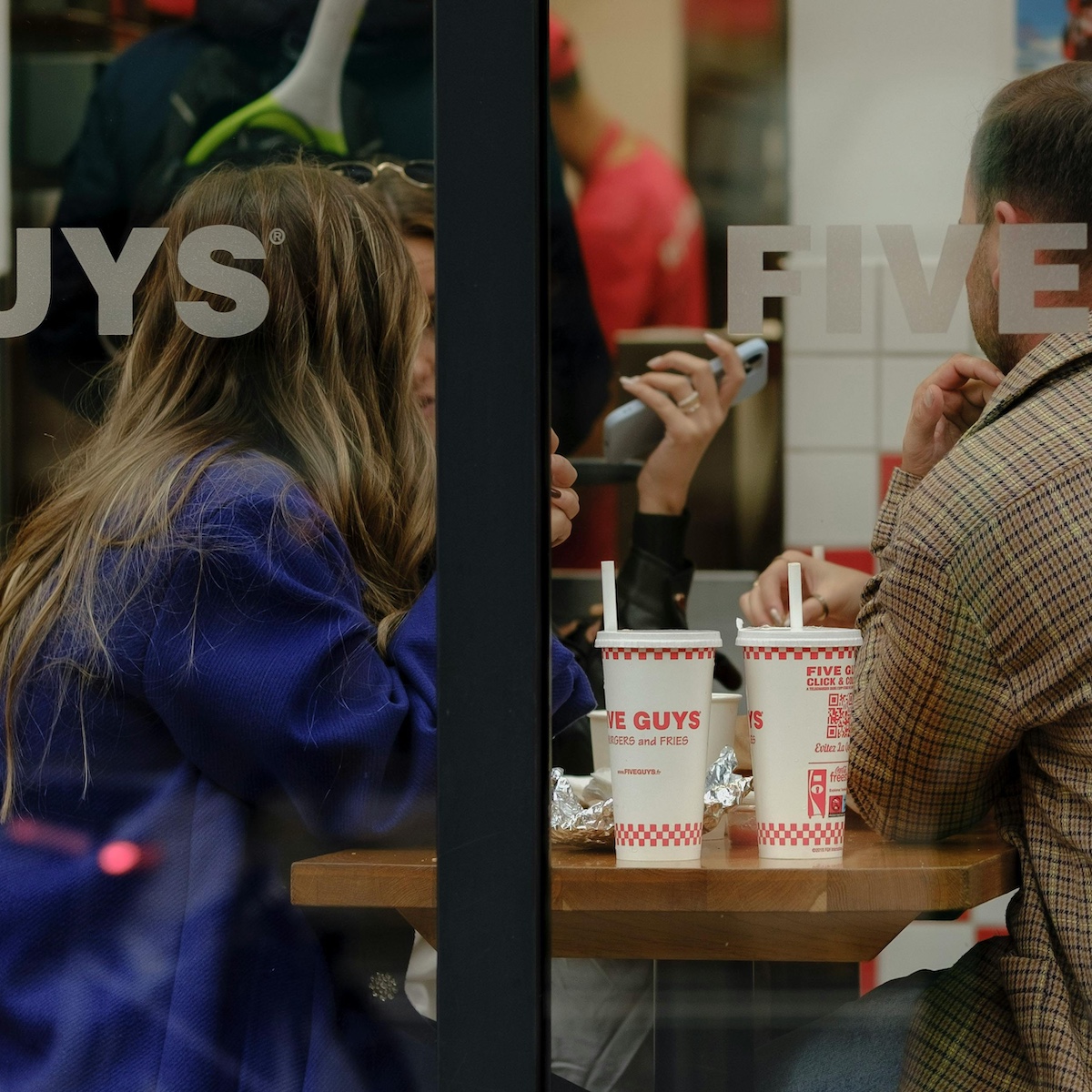
The Psychology of Premium Pricing and Strategic Generosity In a market saturated with dollar-menu value meals and fast-food giants competing on price, Five Guys Burgers and Fries stands as a stark anomaly. Their burgers are significantly more expensive than McDonald's or Burger King, yet customers line up out the door and evangelize the brand with near-religious fervor. Why? The answer ...

The Alexithymia Advantage

Why the Most Powerful Marketing is Felt, Not Told Alexithymia is a psychological phenomenon where an individual has difficulty identifying, describing, and processing their own emotions. They feel the physiological rush of anger, the weight of sadness, or the warmth of joy, but they cannot attach a label to the sensation. The feeling exists in a raw, unprocessed state, trapped ...

The Failure Algorithm

Why Every Setback is a Data Point on the Path to Dominance. In the sanitized stories we tell about business, success is the hero. Failure is the villain to be avoided, a mark of shame to be hidden. This narrative is not just wrong; it is catastrophically counterproductive. The truth is, failure is not the opposite of success; it is its ...

The Cool Kid Protocol

How to Build Irrelevance-Proof Authority in Any Niche "I wasn't popular. I was over 300 pounds, antisocial, and introverted. I didn't think I'd ever become the cool kid, much less get paid for it." This confession isn't from a high school memoir; it's from an entrepreneur who cracked the code. His journey from outsider to a central node in a ...

The Unspoken Bond

What Service Animals Teach Us About Marketing to Trust and Trauma For an individual with Post-Traumatic Stress Disorder (PTSD), the world can feel like a minefield of invisible triggers. A sudden noise, a crowded room, or a specific scent can hijack the nervous system, catapulting them back into a state of hyper-vigilance or panic. In this reality, a service animal ...

The Phobia Playbook

Tapping into Primal Fear to Create Unbreakable Brand Bonds At its core, a phobia is more than a fear; it is an irrational, overwhelming, and deeply visceral response to a specific trigger. It bypasses logic and taps into the most ancient parts of our brain, the amygdala, designed for survival. While we typically think of phobias as clinical conditions—arachnophobia (fear ...

The Invention of a Need

This is The Marketing Masterclass That Made the Bra a Necessity. There was a time in the not-so-distant past when the bra, a now-ubiquitous foundation of the modern wardrobe, simply did not exist. Women's undergarments were dominated by the corset—a restrictive, often uncomfortable symbol of a different era. The transition from "letting it all hang out" to the structured support ...

The Human Marvel’s Playbook

Turning Your Biggest Flaw into Your Greatest Asset How Bill Durks' Story Reveals the Power of Niche, Authenticity, and Reframing? Bill Durks was born in 1913 with a severe facial difference. Denied an education and shunned by his community, his life was defined by a single, overwhelming "flaw." But one day, a showman at a fair saw what everyone else ...

The Invisible Corridor

Using Subliminal Persuasion to Guide Decisions Without Force "Wouldn't life be peachy if people always saw things your way?" Imagine you're guiding someone down a long corridor toward a single red door—your desired outcome. But lining the hallway are dozens of other open doors, each representing a competing idea, a doubt, or an objection. As you walk, your companion keeps ...