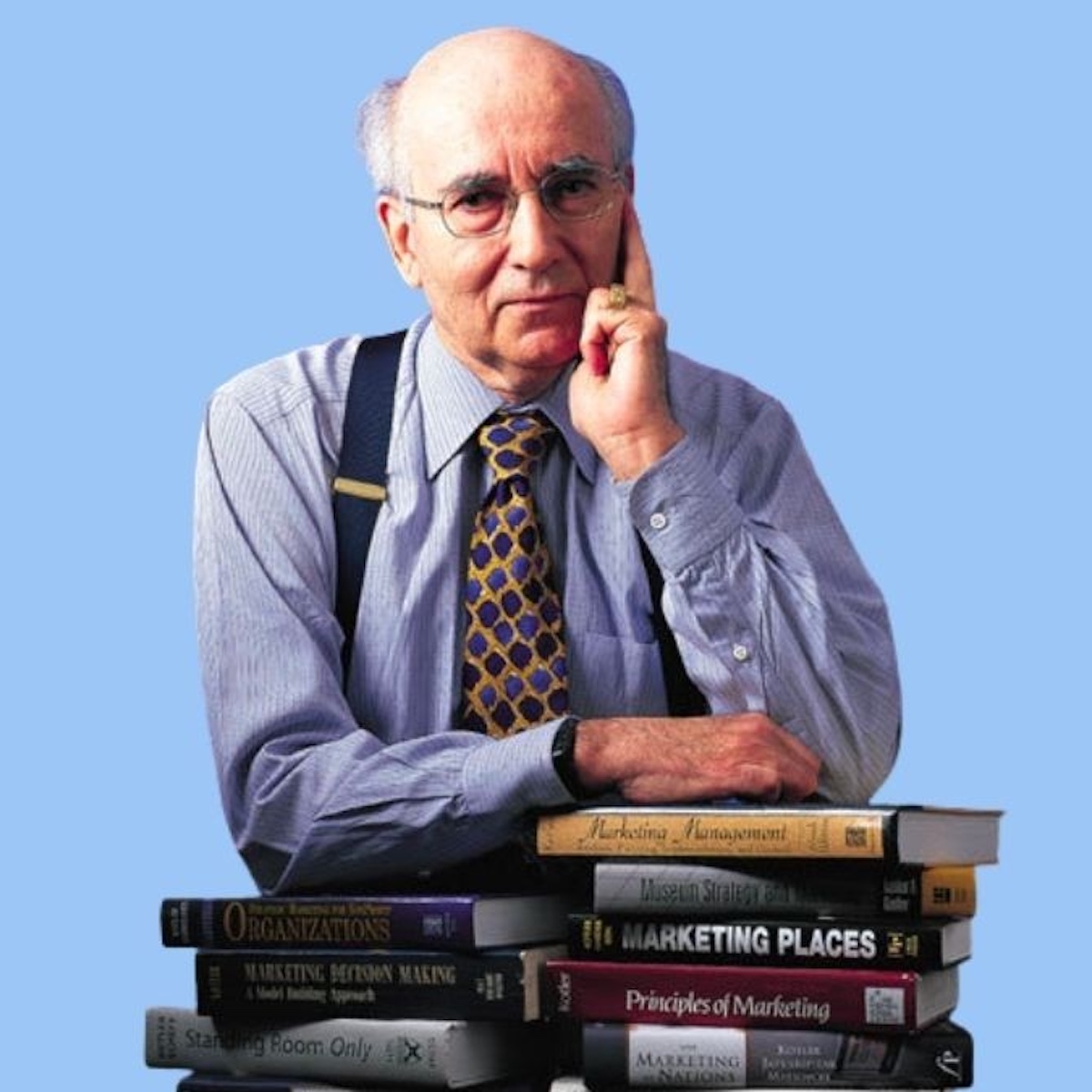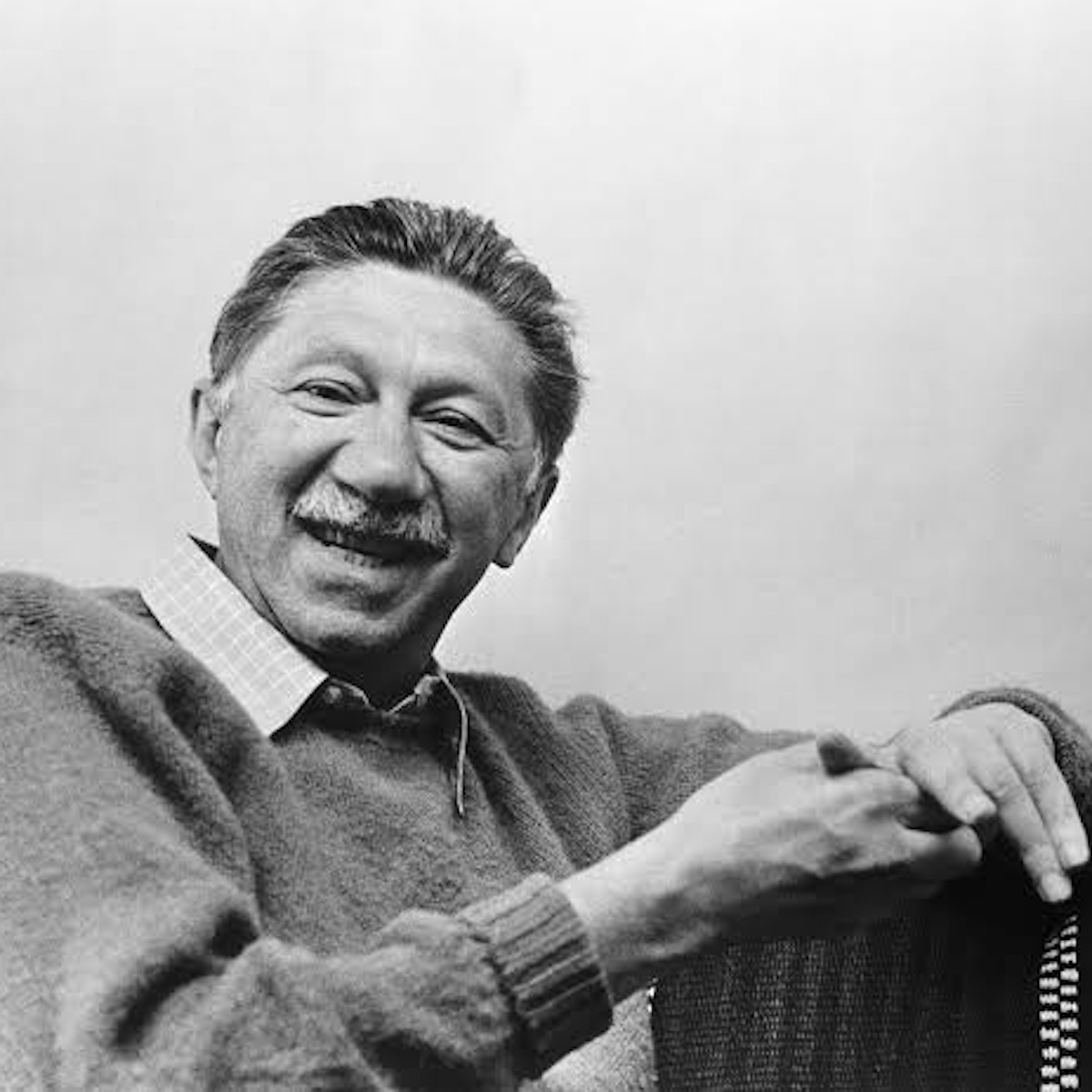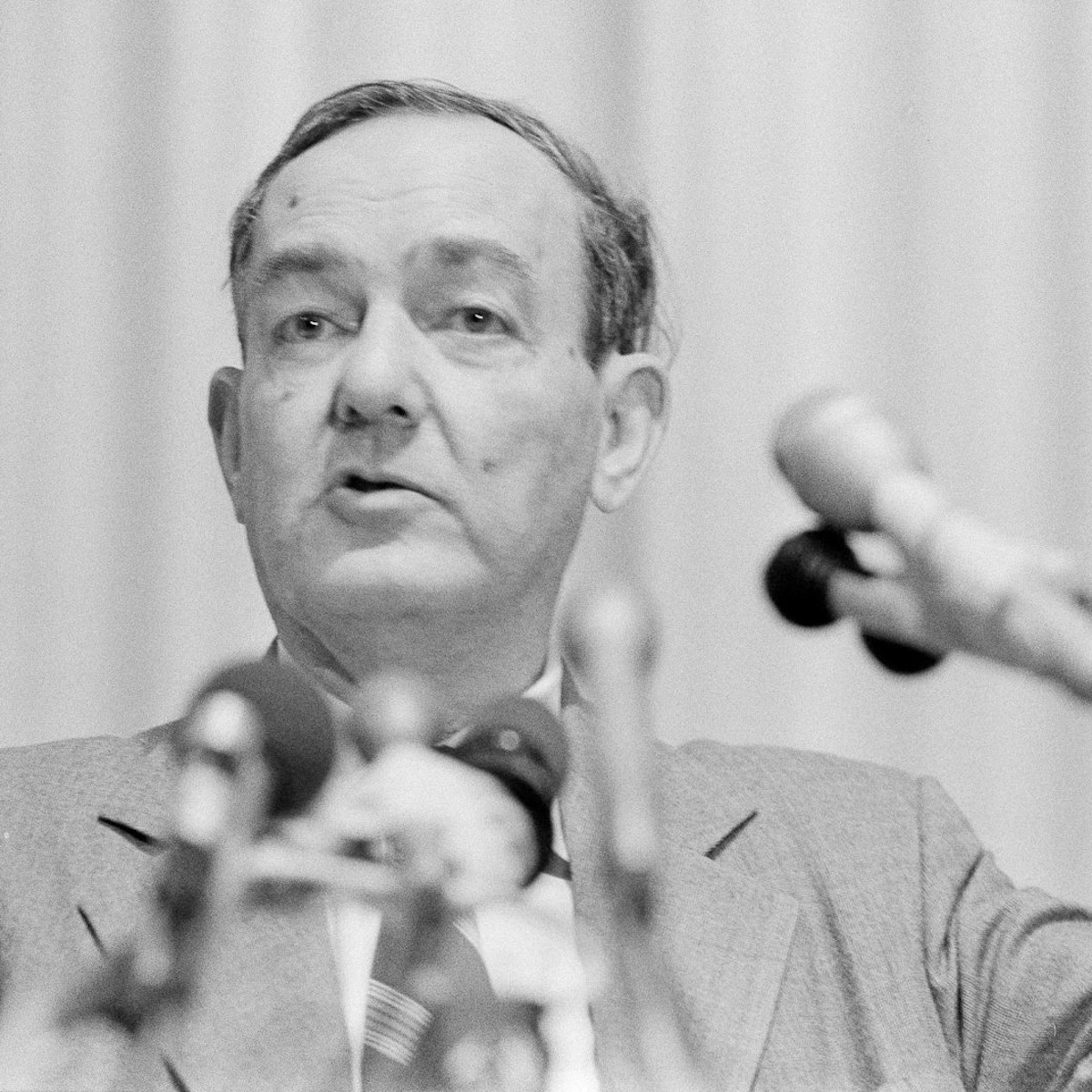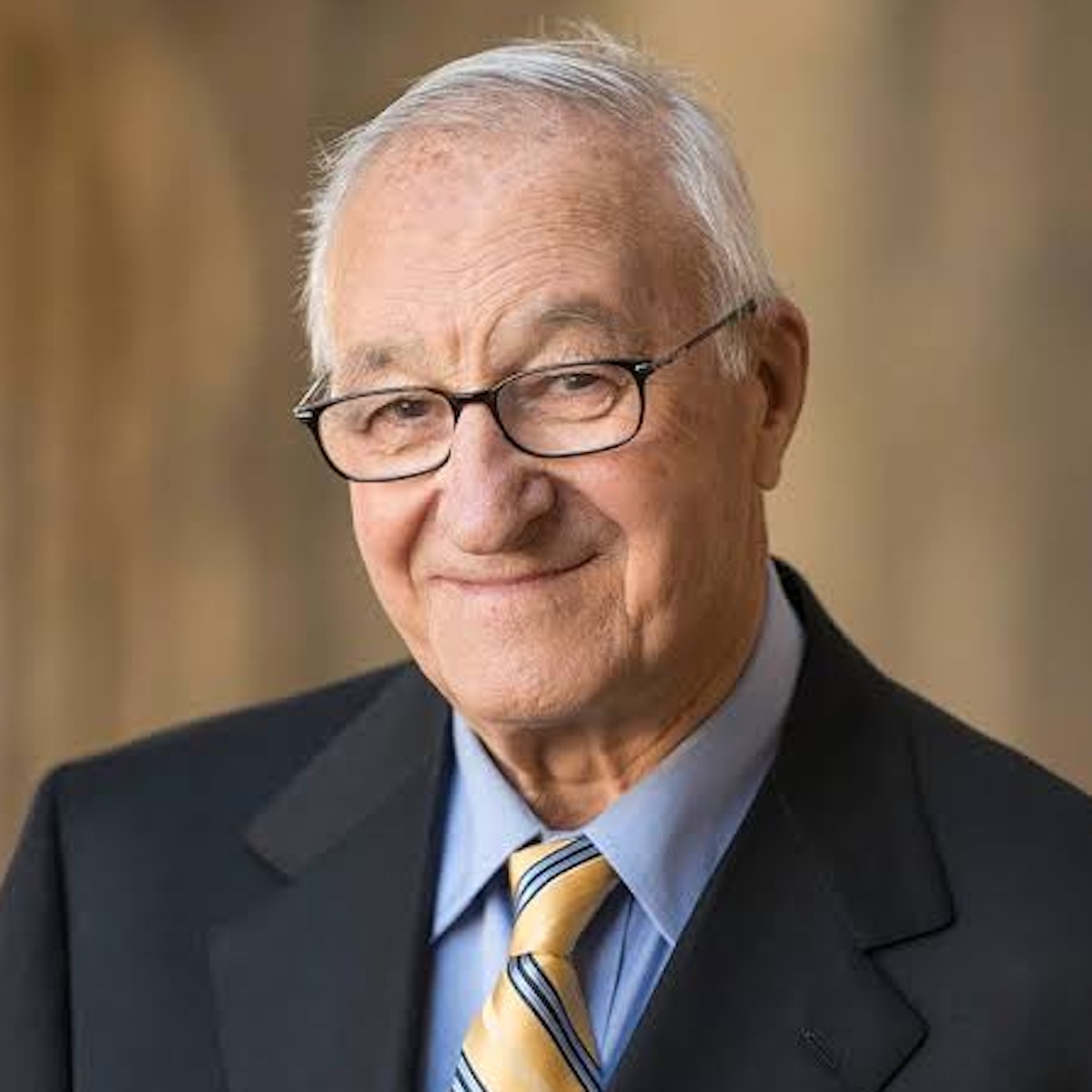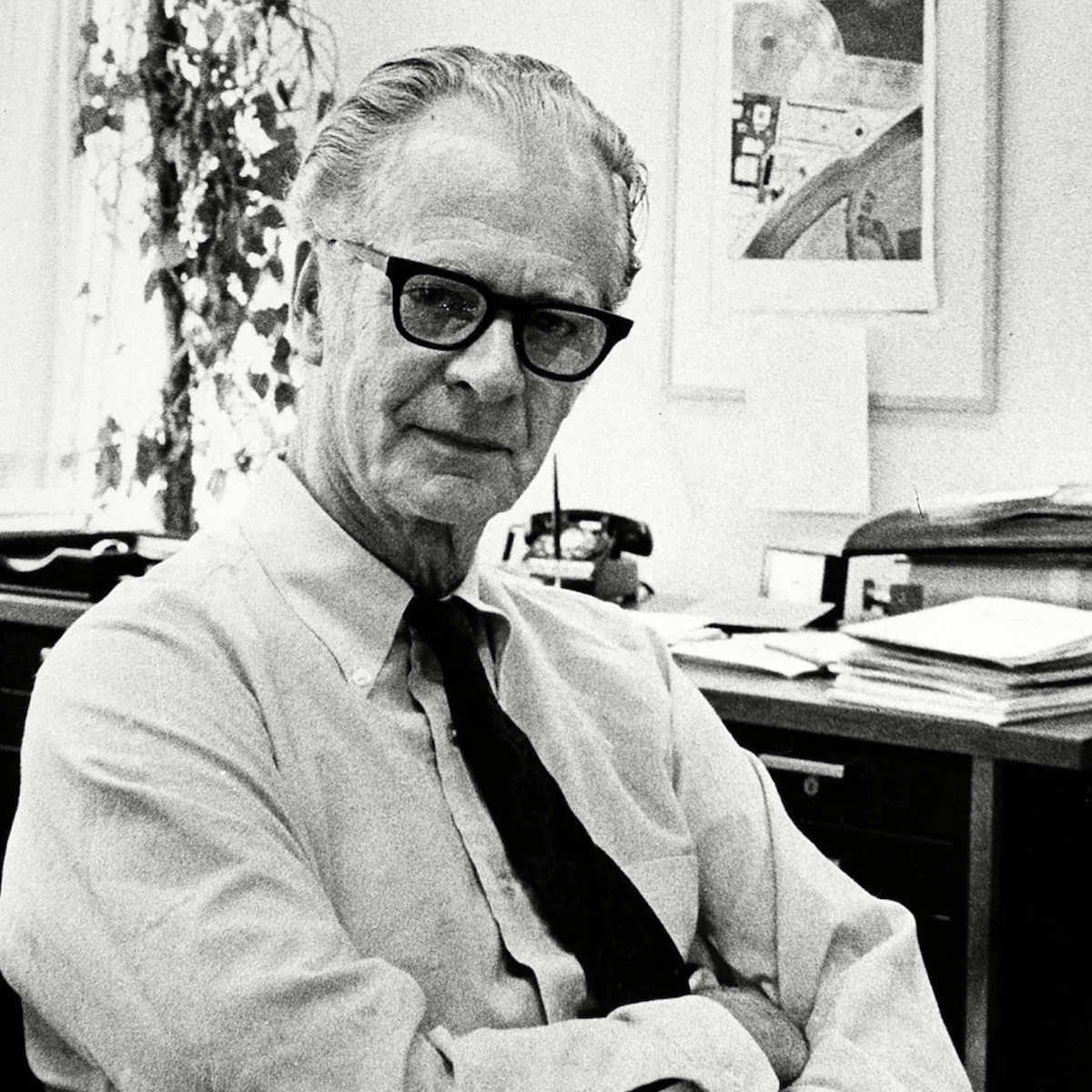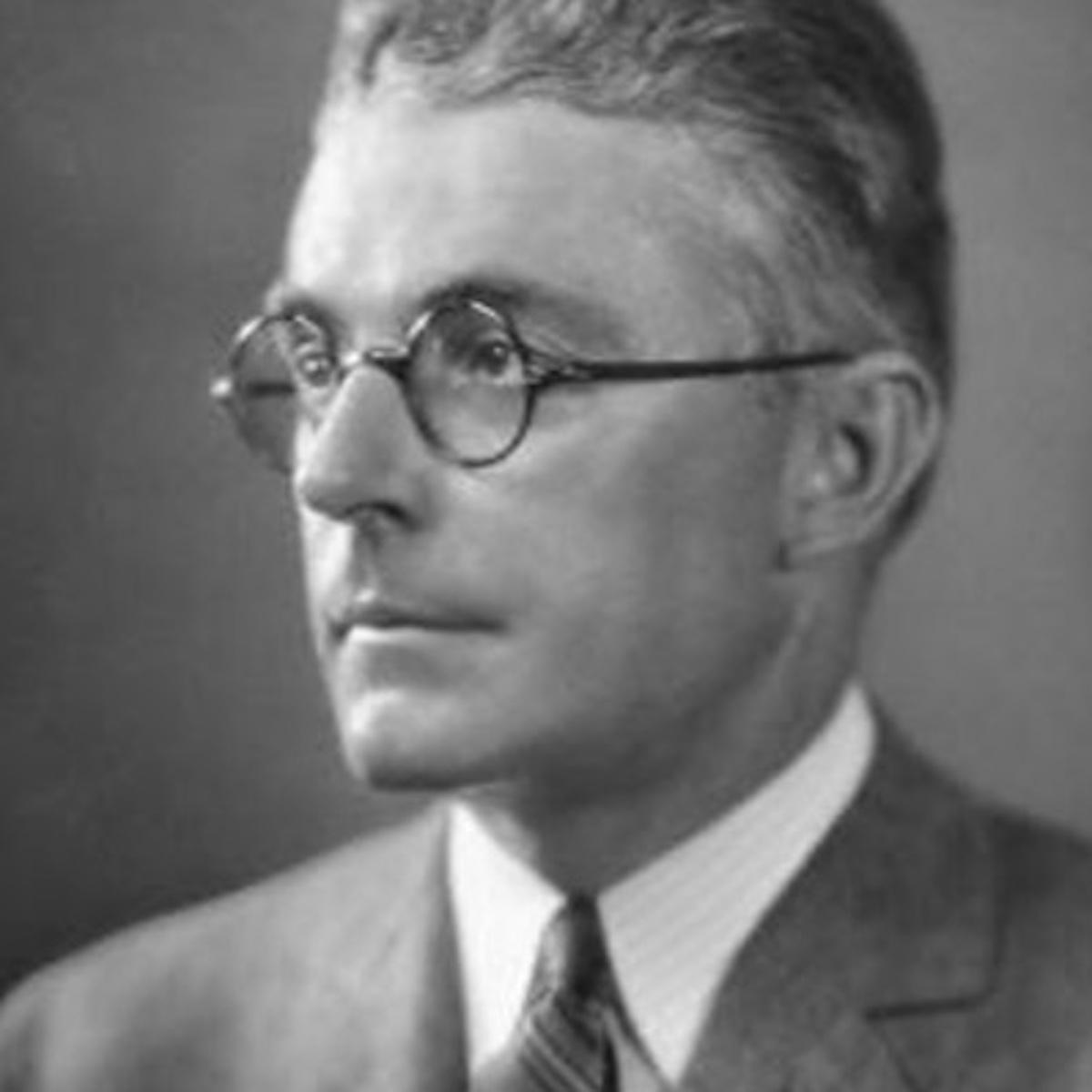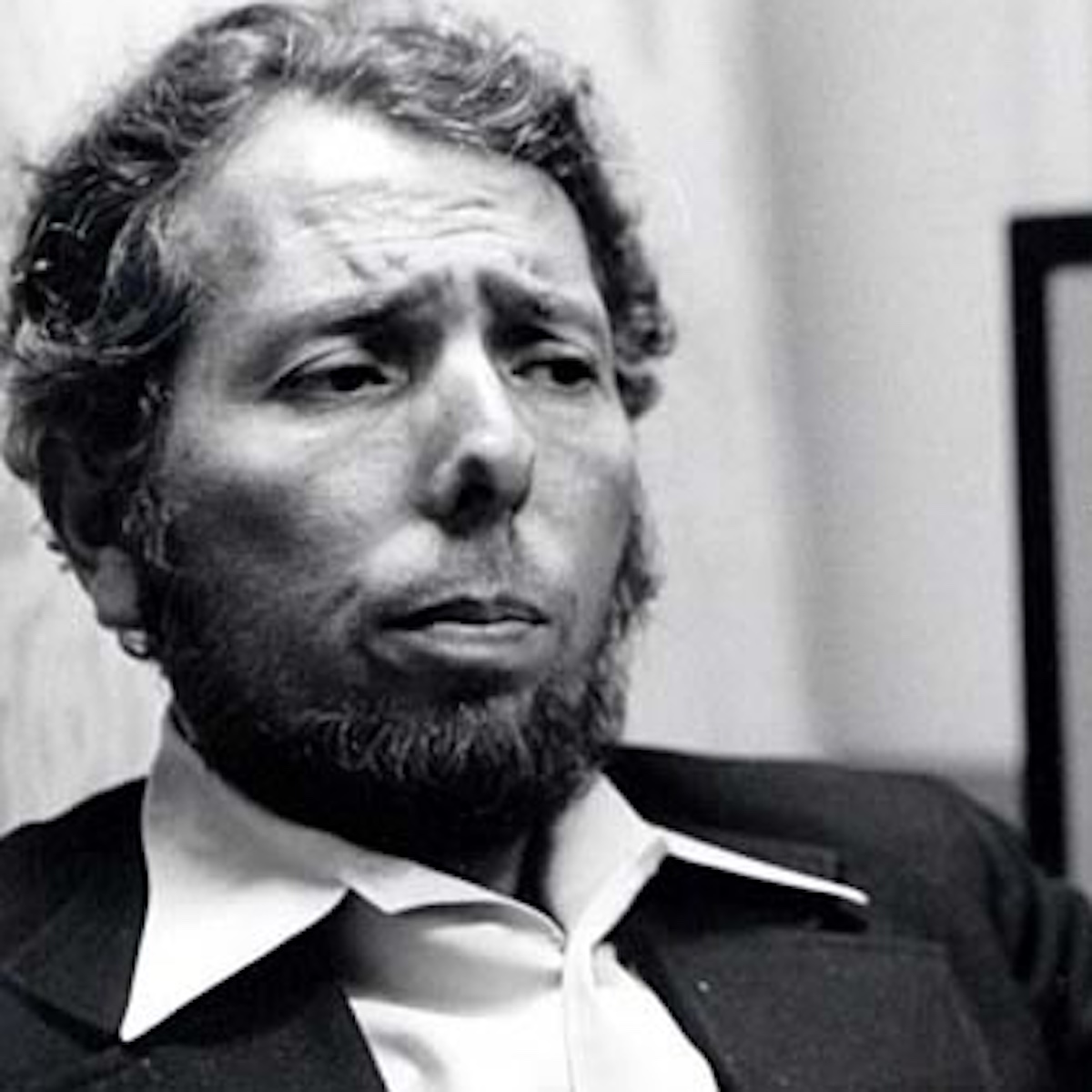
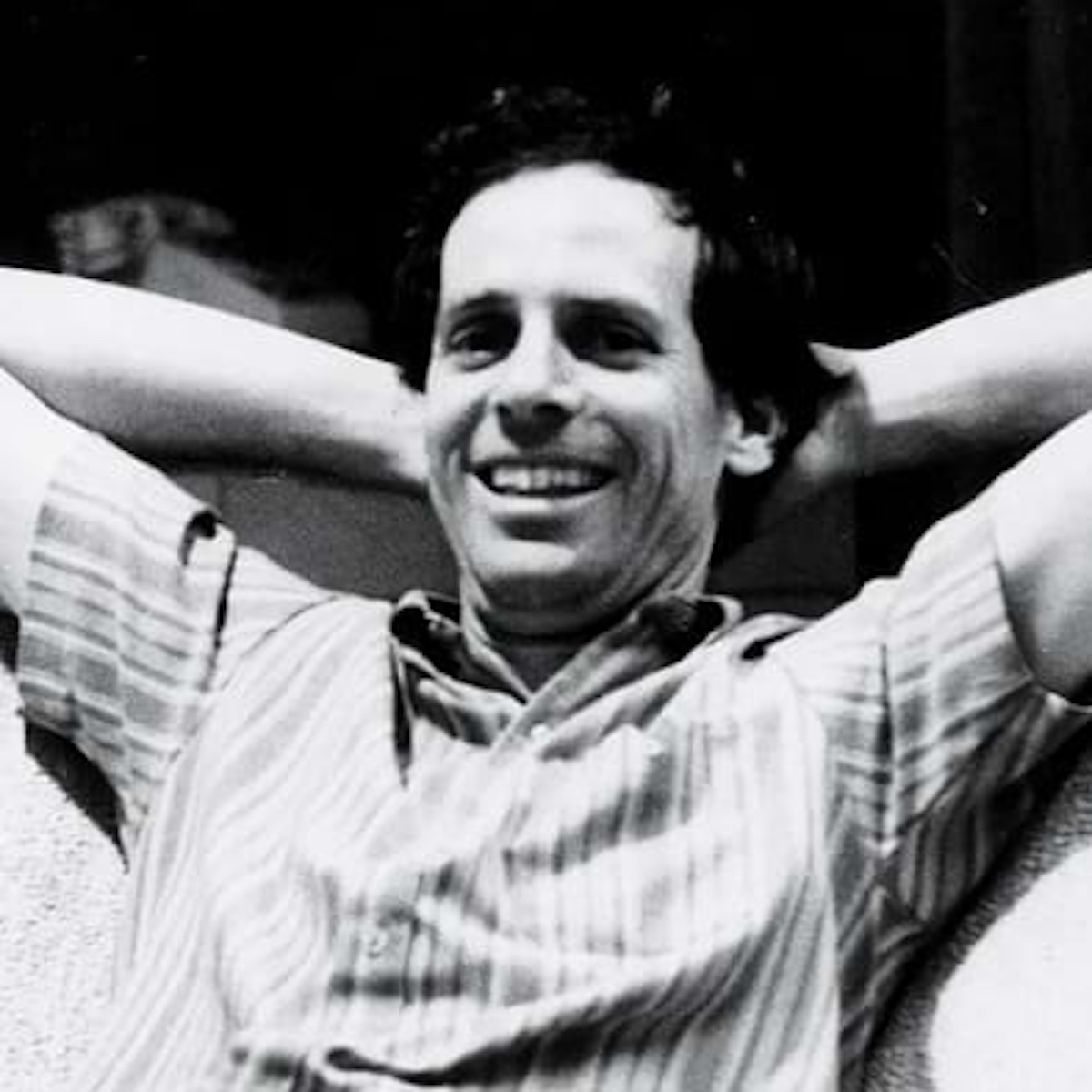
Abraham Maslow

Abraham Maslow, one of the most influential humanistic psychologists, is best known for his Hierarchy of Needs, a motivational framework that outlines the stages of human development, from basic physiological needs to self-actualization. Maslow’s work has been instrumental in understanding consumer behavior, as it reveals how people prioritize their needs and make purchasing decisions based on their current stage in ...

Herbert Simon

Herbert Simon, a groundbreaking figure in psychology and economics, transformed the understanding of how people make decisions with his theory of bounded rationality. Simon argued that individuals, including consumers, don’t always make perfectly rational choices due to limited information, time, and cognitive resources. Instead, they "satisfice" by selecting options that are good enough, rather than optimal. This insight has deeply ...

Albert Bandura

Albert Bandura, one of the most influential psychologists of the 20th century, transformed the understanding of how people learn and behave with his Social Learning Theory. Bandura’s famous Bobo doll experiment demonstrated that people, especially children, learn behaviors by observing and imitating others, particularly role models. This concept of observational learning has had a profound impact on consumer psychology, highlighting ...

B.F. Skinner

B.F. Skinner, one of the most influential behaviorists in psychology, introduced the world to operant conditioning, a theory that explains how behavior can be shaped by rewards and consequences. Skinner’s research on reinforcement and punishment provided marketers with a powerful framework for influencing consumer actions, from encouraging purchases to fostering brand loyalty. His work demonstrated that positive reinforcement, such as ...

John B. Watson

John B. Watson, the founder of behaviorism, revolutionized psychology by emphasizing the study of observable behaviors over internal mental states. After leaving academia, Watson applied his groundbreaking principles to the world of advertising, pioneering the use of emotional conditioning to influence consumer behavior. He believed that brands could evoke emotional responses—such as desire, fear, or happiness—by associating products with specific ...

Robert Cialdini

Robert Cialdini, a leading figure in consumer psychology, is best known for his work on the principles of influence, which have become essential tools for marketers and businesses worldwide. In his seminal book, Influence: The Psychology of Persuasion, Cialdini identified six key principles—reciprocity, commitment, social proof, authority, liking, and scarcity—that explain why people say "yes." These principles provide a framework ...

Stanley Milgram

Stanley Milgram, renowned for his groundbreaking experiments on obedience, transformed the understanding of how authority shapes human behavior. His famous Milgram Experiment demonstrated that people are often willing to comply with authority figures, even when it conflicts with their moral values. This work has deep implications for consumer psychology, shedding light on how perceived authority—such as endorsements from experts, celebrities, ...

Solomon Asch

Solomon Asch, a trailblazer in social psychology, is best known for his groundbreaking experiments on conformity, which revealed how group pressure can shape individual decisions. His famous line-judgment study demonstrated that people often align their choices with the majority, even when the group is objectively wrong. This insight into the power of social influence has become a cornerstone of consumer ...

Leon Festinger

Leon Festinger, a pioneering figure in social psychology, revolutionized the understanding of human behavior with his groundbreaking Cognitive Dissonance Theory. This theory explains the psychological discomfort people feel when their beliefs, attitudes, or behaviors conflict, leading them to seek consistency by changing their thoughts or actions. Festinger’s work has had profound implications for consumer psychology, offering insights into how buyers ...

The Negotiation Gap

Leveraging Psychology to Get What You Deserve The Ask Gap: How Perception, Psychology, and Propulsion Shape Your Value Imagine this scenario: Two candidates, a man and a woman, enter the final interview for the same role. Their qualifications are identical—mirror images of education, work history, and skill. The hiring manager makes an offer: $12 an hour. The first candidate, the ...